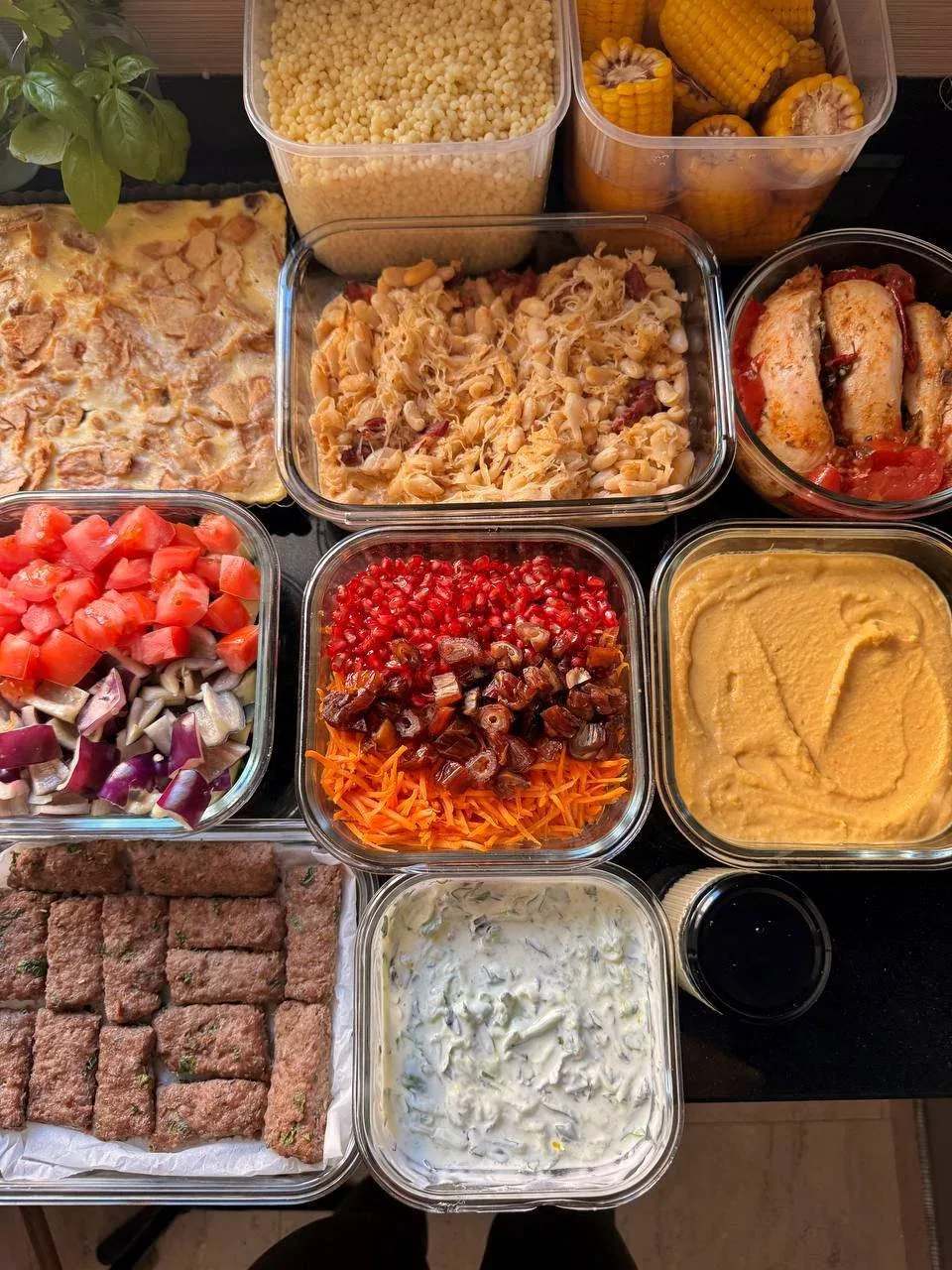

Most people associate meal prep with rows of identical Tupperware containers — the same grilled chicken, the same rice, the same steamed broccoli, day after day. That's one way to do it. But there's a smarter, more flexible approach called capsule meal prep — and it changes the entire experience.
What is capsule meal prep?
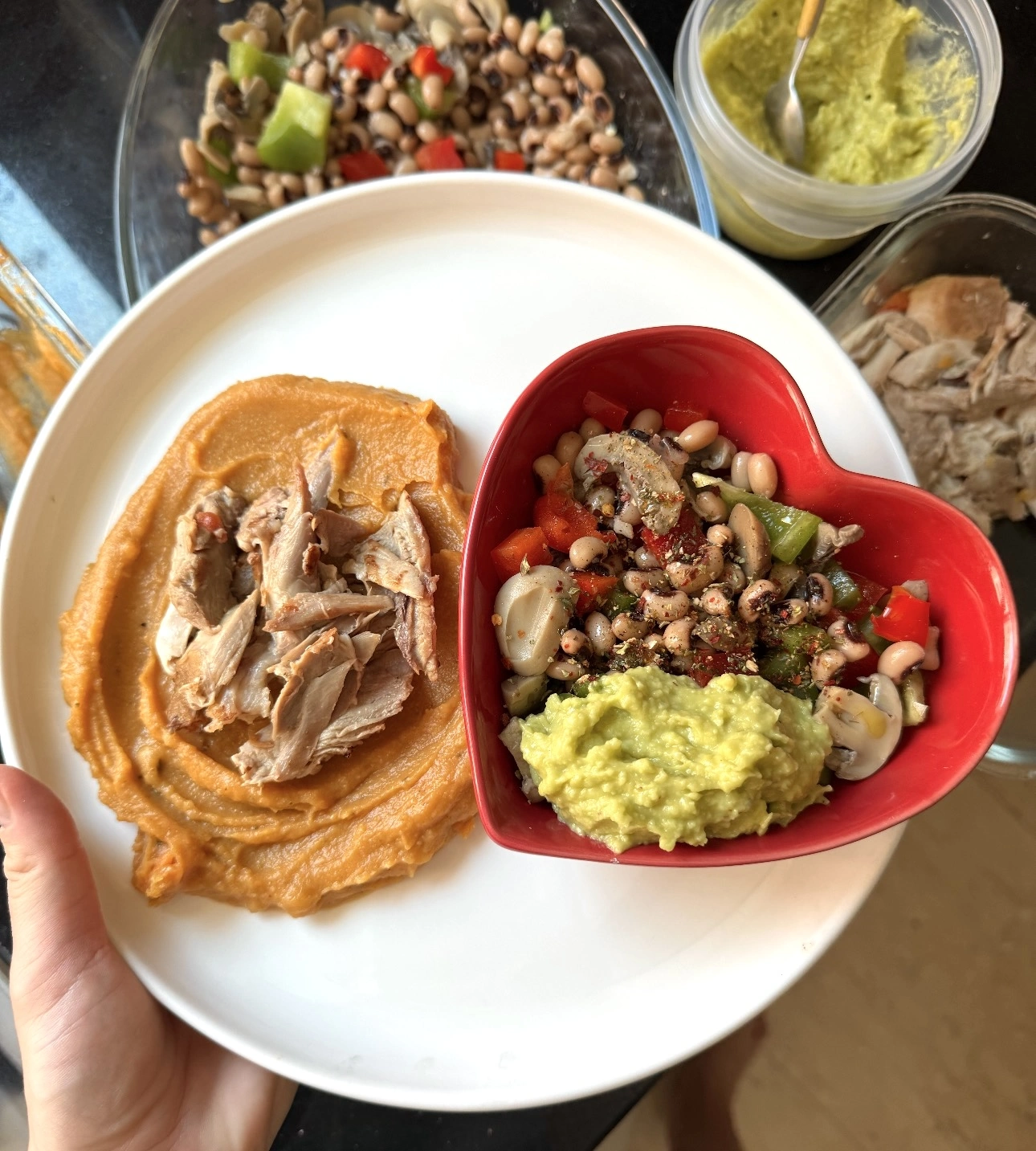
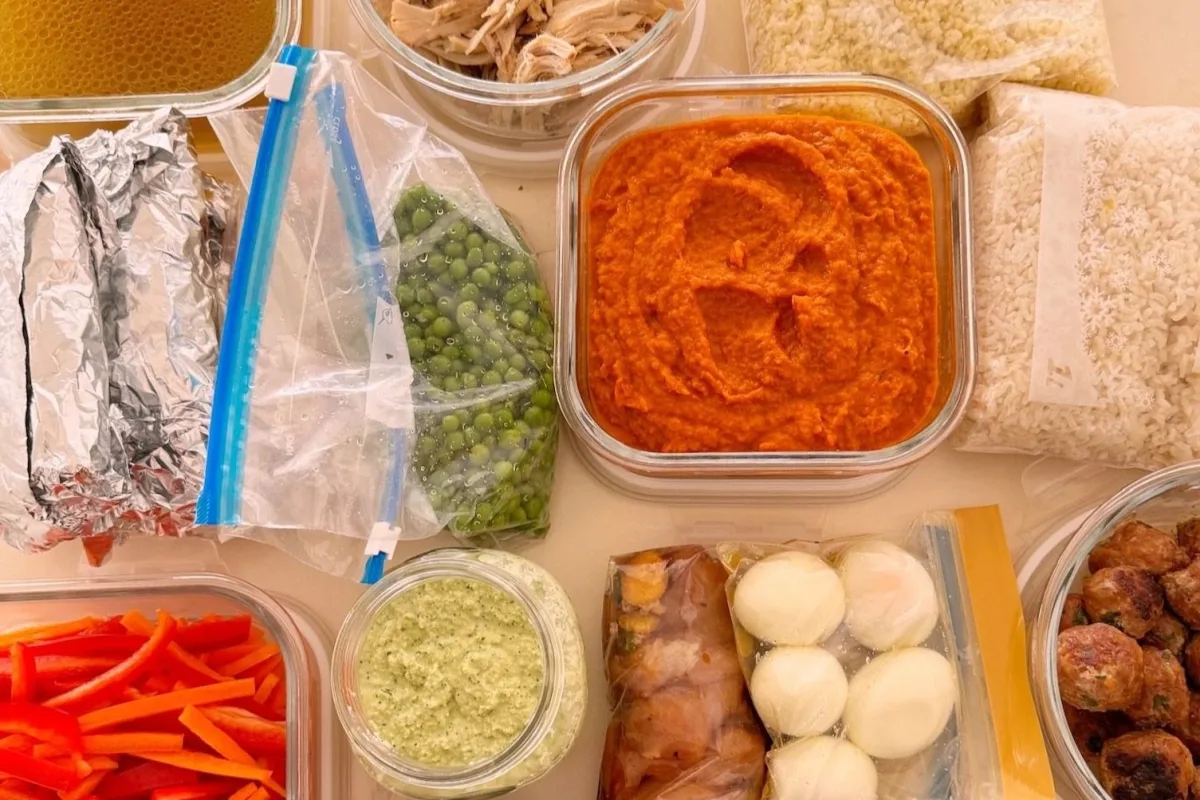
Capsule meal prep is a method of cooking where you prepare versatile component ingredients rather than complete dishes. Instead of making five servings of chicken stir-fry, you cook:
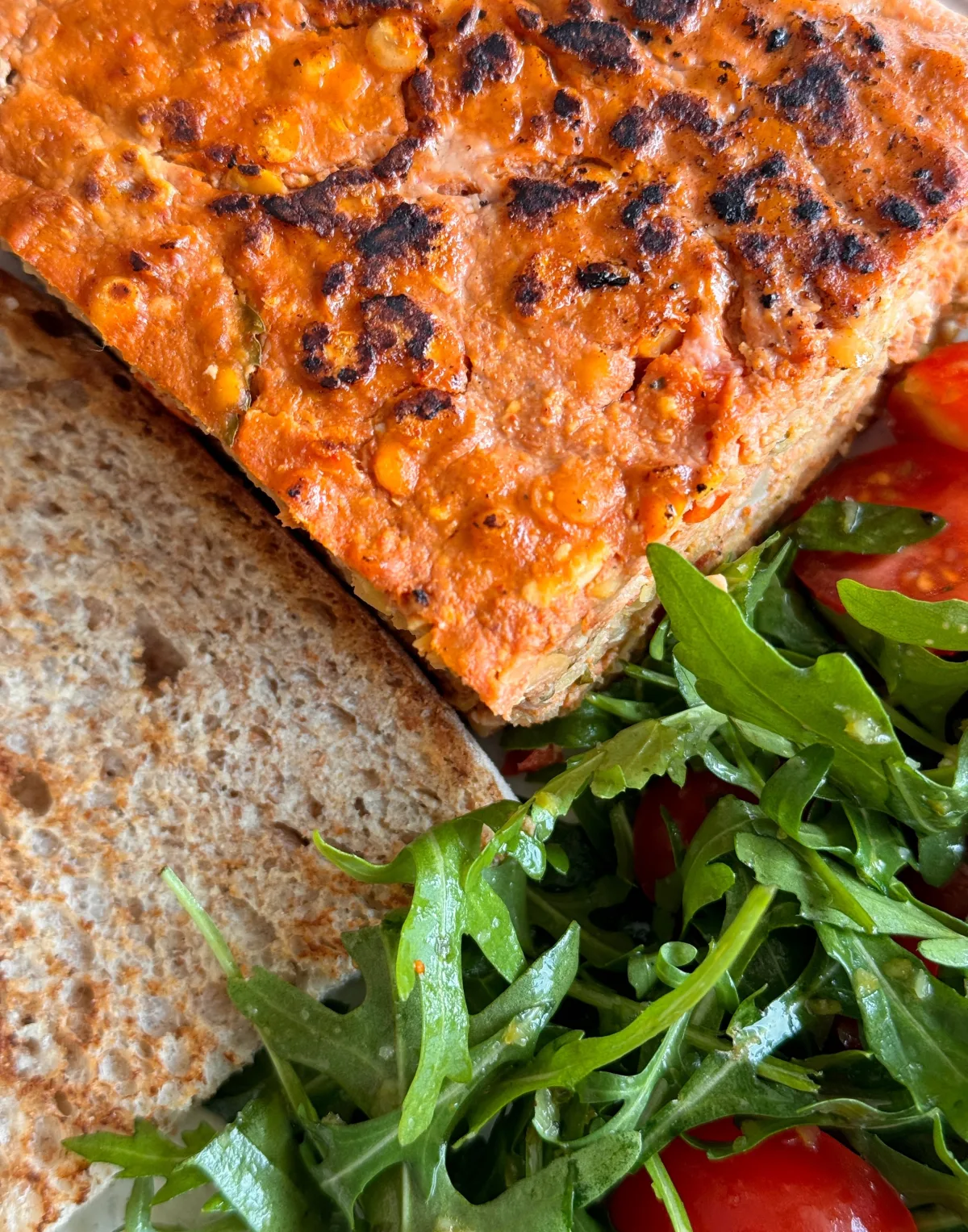
- A protein (roasted chicken thighs, baked salmon, or cooked lentils)
- A grain (rice, quinoa, bulgur, pasta)
- Roasted or raw vegetables
- A sauce or two
- Something for breakfast (granola, overnight oats, porridge base)
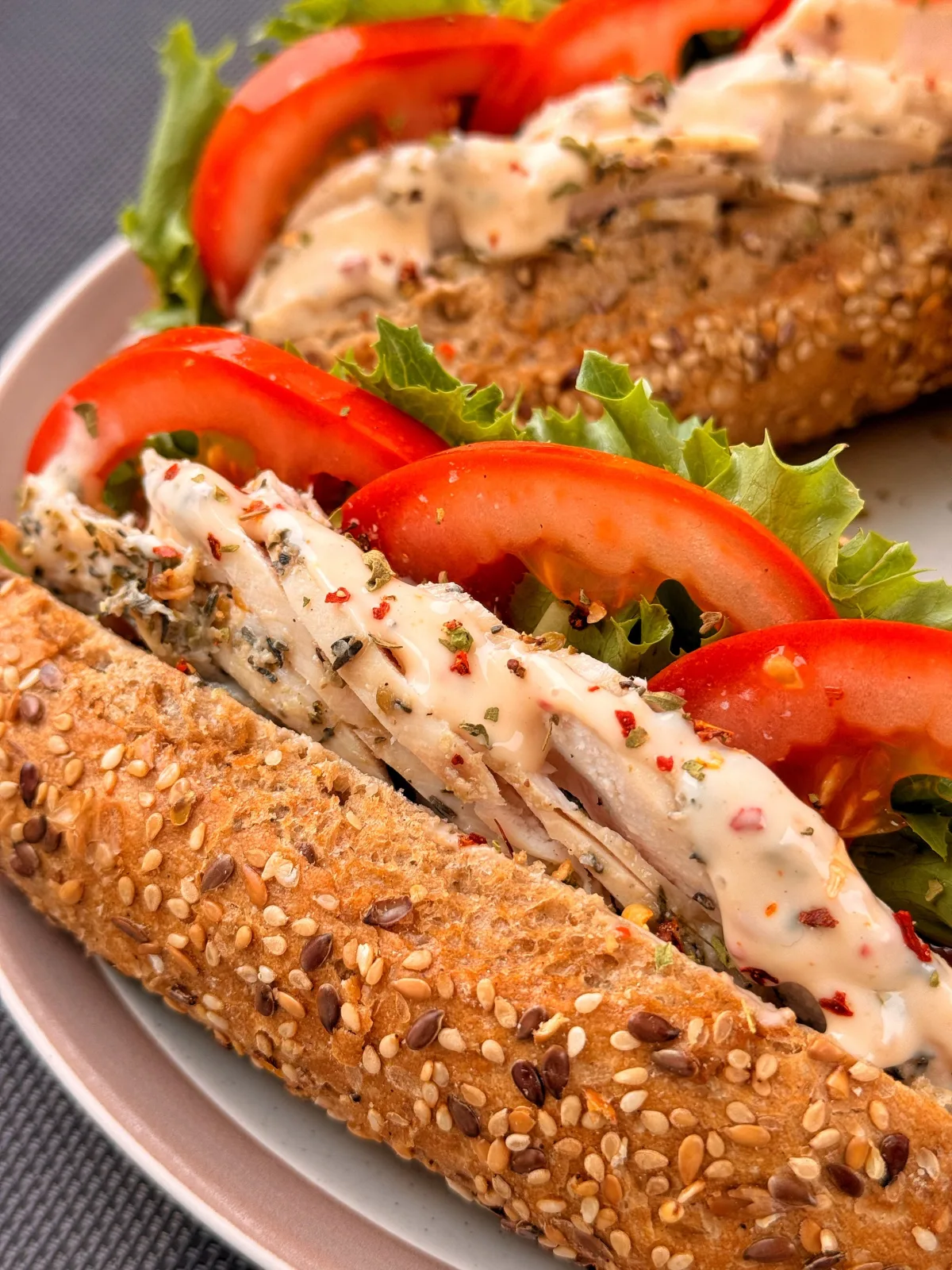
These components become building blocks. Each day, you open the fridge and assemble a meal in minutes — mixing and matching components for endless variety. Monday is a chicken rice bowl. Tuesday becomes a chicken wrap with leftover roasted veg. Wednesday turns into a warm grain salad.
Same prep session. Completely different meals.
Why "capsule"?
The term borrows from capsule wardrobes — the fashion concept of owning a small collection of versatile, mix-and-match pieces instead of a closet packed with single-outfit items. A capsule wardrobe of 20 pieces can create 50+ looks. Capsule meal prep works the same way: a small set of carefully chosen components creates a large number of distinct meals.
How is it different from traditional meal prep?
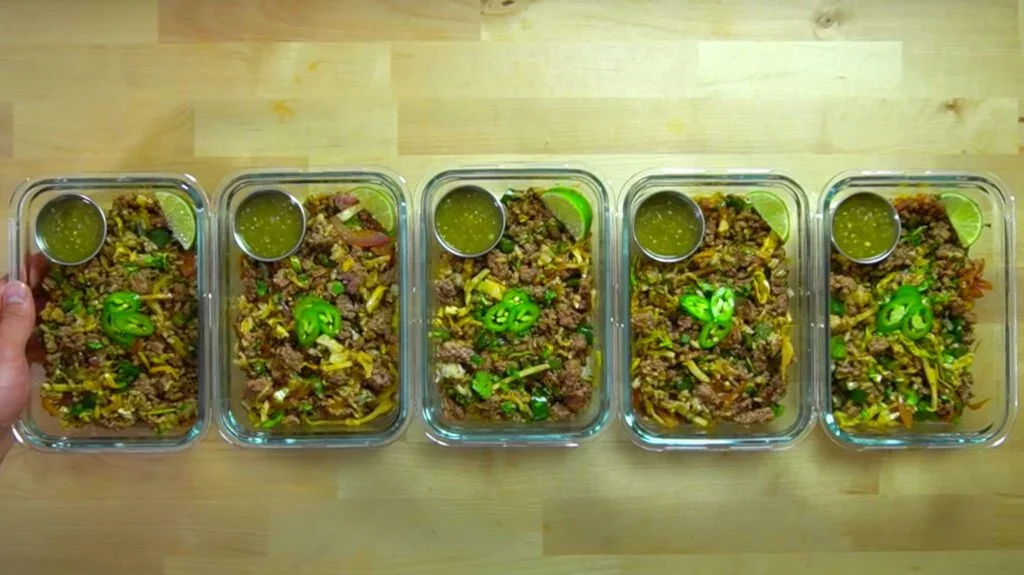
| Traditional | Capsule | |
|---|---|---|
| Meals per session | 5 identical | 9 different |
| Variety | Same dish all week | New plate every meal |
| Prep approach | Complete meals | Mix-and-match components |
| Daily cooking | None | None |
| Assembly time | Reheat only | 5–10 min |
| Food waste | Higher | Lower |
The difference in variety is significant, but the prep time is similar — often less, because you're optimizing for parallel cooking rather than repeating the same steps five times.
How does the Lego cooking system work?
Think of your components as Lego bricks. Each brick is distinct — a roasted vegetable, a cooked protein, a grain, a sauce. The power isn't in any single brick; it's in how many combinations they enable. With 8 components, you can realistically create 9 unique plates that feel and taste completely different — different flavor profiles, different textures, different presentations.
This is the core principle behind Mealpreper Guide's approach. Every menu we create is tested to ensure the components work together in multiple combinations, not just the "main" meals.
What are the practical benefits?
1. Real variety without daily cooking
You're not eating the same thing every day. The combination of components changes the taste, texture, and feel of each meal enough that you don't experience "meal prep fatigue."
2. Faster weekday evenings
When everything is prepped, a weekday dinner is 5–10 minutes of assembly. Heating, combining, maybe a quick egg or fresh greens. No chopping, no lengthy cooking.
3. Better nutritional balance
Because you're building plates from components, you can easily balance proteins, carbs, and vegetables at each meal — more intentionally than if you were deciding from scratch each evening.
4. Less food waste
Components are designed to be used across multiple meals. A batch of roasted vegetables might appear in a lunch bowl, a dinner wrap, and a breakfast hash. Nothing goes unused.
How do you start with capsule meal prep?
The simplest way to try capsule meal prep is to follow a structured menu. That's exactly what Mealpreper Guide provides — tested menus where all the component work has been done for you:
- A shopping list scaled to your household size
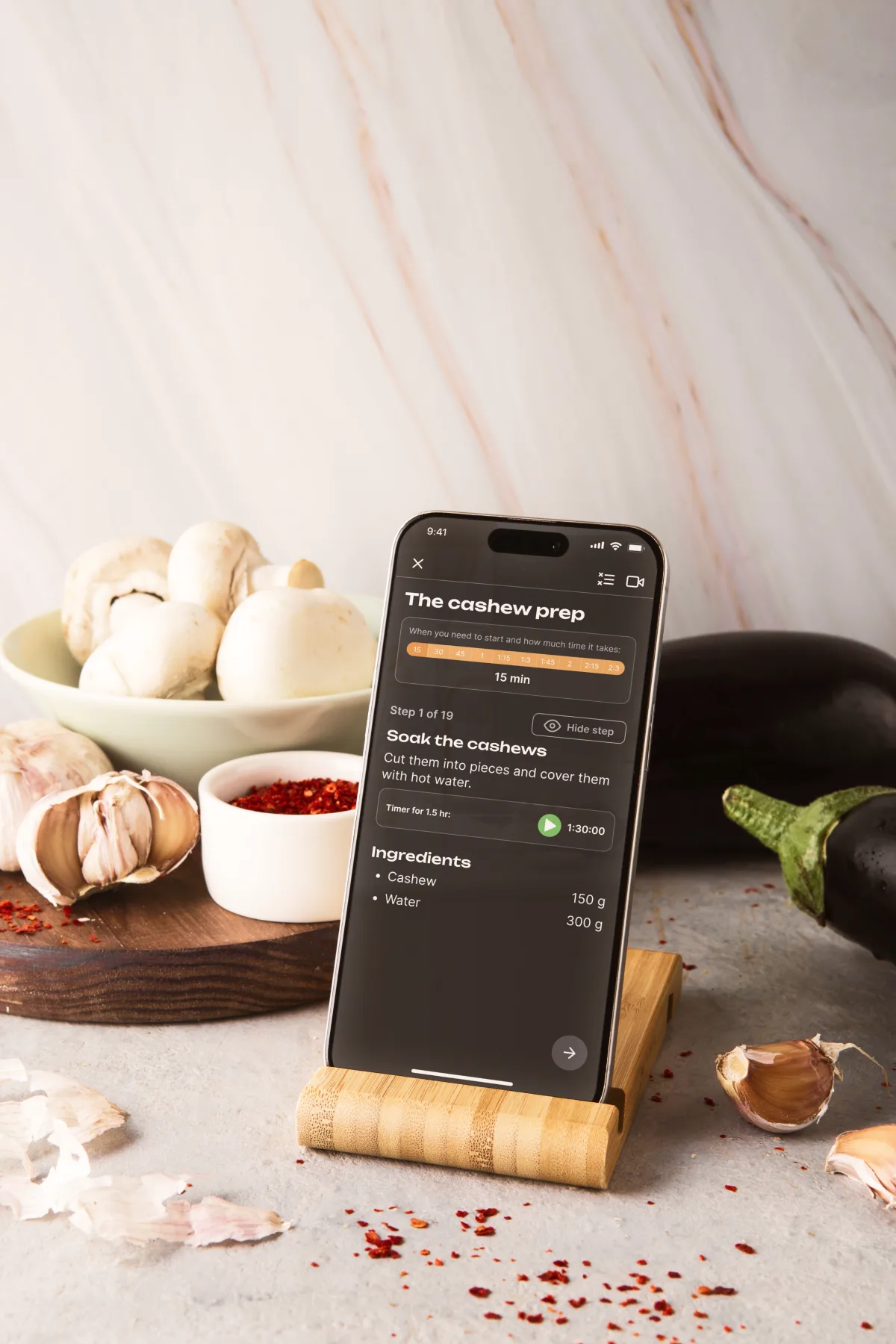
- A parallel cooking timeline that gets everything done efficiently
- Assembly guides for each meal throughout the week
After 2–3 menus, most people internalize the logic and start adapting components to their preferences — swapping proteins, adjusting grains, experimenting with different sauces. The system becomes second nature.
What makes a good capsule meal prep?
Not all component combinations work well. A good capsule meal prep considers:
- Flavor compatibility — components should share some flavor affinities (Mediterranean components work together; Asian components work together; mixing the two requires careful sauce choices)
- Storage behavior — some vegetables hold up better than others after 3–4 days in the fridge; sauces separate; grains can dry out
- Cooking timeline — components that can cook simultaneously save the most time; understanding oven and stovetop multitasking is key
- Nutritional coverage — each component should contribute to a balanced plate across protein, complex carbs, fiber, and healthy fats
How can you try capsule meal prep for free?
The best way to understand capsule meal prep is to do one. Mealpreper Guide offers one free menu every month — complete with shopping list, cooking guide, and assembly instructions. It takes less than two hours and produces 9 meals. By day three, you'll understand why people don't go back to cooking from scratch every night.
Frequently asked questions
What exactly is capsule meal prep?
Capsule meal prep means cooking versatile ingredient components — proteins, grains, vegetables, sauces — once a week, then assembling different meals each day. The same components combine into 9+ distinct plates over 3 days.
How is capsule meal prep different from batch cooking?
Batch cooking usually means making large quantities of the same dish. Capsule meal prep means making components that combine into different dishes — more variety, same effort.
How long does capsule meal prep take each week?
Most sessions take 1.5–2.5 hours for the prep, then 5–10 minutes daily to assemble plates. Parallel cooking techniques — oven, stovetop, and prep counter running simultaneously — keep the total time down.
Do I need cooking experience to start?
No. The Mealpreper Guide app provides step-by-step instructions, grocery lists, and timed cooking guides. Most users start improvising their own combinations after 2–3 meal preps.
Is the app free to try?
Yes — one meal prep is free permanently, and a new free menu rotates every month. No credit card required to start.